
Introduction: India’s Ownership Revolution Has Officially Begun
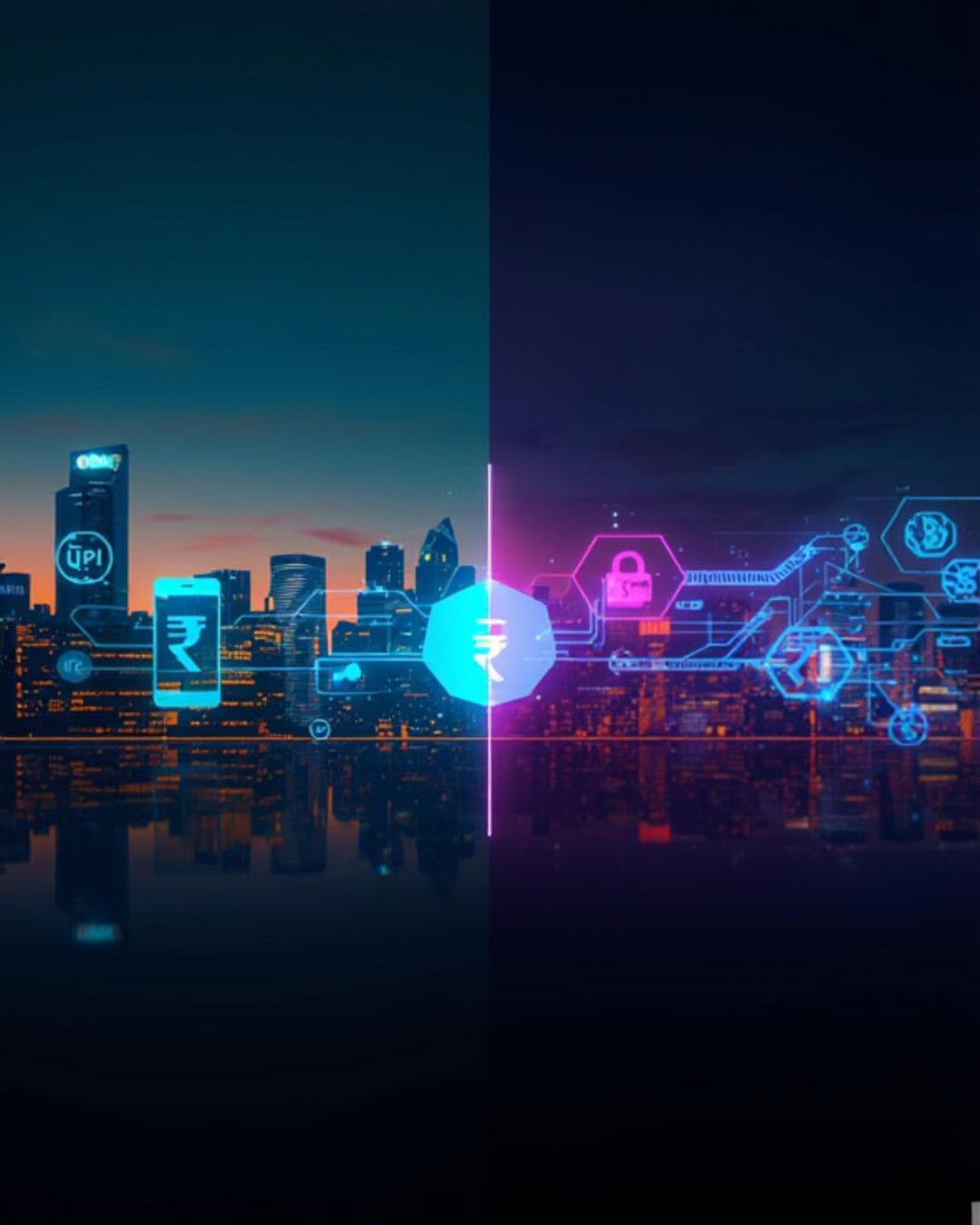
India’s fintech journey has already reshaped global financial infrastructure. From UPI transforming payments to Aadhaar enabling digital identity, India now stands at the threshold of its next evolution – asset tokenization.
This model fundamentally redefines how Indians own, trade, and invest in assets such as real estate, gold, bonds, private equity, and commodities. Tokenization removes traditional barriers like high capital requirements, legal complexity, illiquidity, and opaque intermediaries. Instead, it introduces a system where ownership becomes digital, divisible, transparent, and instantly transferable via blockchain.
Having worked closely with financial infrastructure systems for over two decades, I can say with certainty: asset tokenization will do for ownership what UPI did for payments – democratize access at scale.
What Is Asset Tokenization in the Indian Fintech Ecosystem?
Asset tokenization is the process of converting ownership rights of physical or financial assets into blockchain-based digital tokens. Each token represents fractional ownership that can be securely traded, tracked, and verified.
Core Characteristics of Tokenized Assets
- Fractional ownership
- Blockchain-verified authenticity
- Smart contract-powered automation
- Near-instant settlement
- Tamper-proof audit trails
Indian regulators are actively shaping this ecosystem through:
- RBI’s Central Bank Digital Currency (CBDC) pilots
- SEBI-controlled tokenization sandboxes
- Digital securities infrastructure evolution
This phased regulatory strategy balances innovation with investor protection.
How Tokenization Is Transforming Real Estate Investment in India
Real estate has long been India’s most aspirational asset class, yet remains inaccessible for over 90% of retail investors.
How Tokenization Changes the Equation
- A ₹1 crore property can be divided into 10,000 tokens worth ₹1,000 each
- Investors gain fractional access to premium assets
- Ownership is legally mapped and blockchain recorded
- Rental yields distributed automatically
- Tokens can be traded on compliant secondary markets
Real-World Example
A Grade-A commercial asset in Mumbai valued at ₹20 crore is tokenized:
| Metric | Value |
| Total Tokens | 200,000 |
| Token Price | ₹1,000 |
| Expected Yield | 8–10% |
| Investor Geography | Tier 1–3 cities |
Investors gain rental income and capital appreciation without direct property management.
Gold Tokenization: Transforming Dormant Wealth into Digital Liquidity
India holds more than 25,000 tonnes of household gold. Through asset tokenization, physical gold becomes a liquid, transparent, and secure investment instrument.
Key Benefits
- Vault-backed digital certification
- Real-time pricing
- Zero storage risk
- Instant liquidity
- Transparent ownership records
1 gram of gold can be tokenized and traded as verified digital tokens across regulated platforms.
Role of Blockchain in Secure Asset Tokenization
Tokenization is powered by:
- Distributed Ledger Technology (DLT)
- Smart Contracts
- Immutable Record Systems
Security Advantages
- Fraud prevention and traceability
- Elimination of double-spend risks
- Automated compliance processes
- Real-time reconciliation
Blockchain eliminates dependency on centralized repositories, increasing trust and system efficiency.
Impact on Financial Inclusion & Wealth Democratization
Asset tokenization aligns uniquely with India’s digital inclusion objectives.
How It Empowers the Mass Market
- Enables micro-investments from ₹5000
- Expands asset access across rural India
- Removes institutional entry barriers
- Encourages wealth creation beyond elite circles
This supports India’s mission of inclusive economic growth and equitable wealth distribution.
Regulatory Framework: RBI & SEBI’s Structured Approach
Indian regulators are introducing tokenization through controlled, risk-managed pilots.
Key Developments
- RBI Digital Rupee initiative
- SEBI consultation on blockchain securities
- State-sponsored real estate tokenization sandboxes
Regulatory Priorities
- Investor protection
- Legal validity of token ownership
- Compliance automation
- Market stability
This evolving framework provides clarity and investor confidence.
Benefits for Stakeholders
For Individual Investors
- Low entry barriers
- Asset diversification
- Transparent performance tracking
For Developers & Issuers
- Faster capital access
- Broader investor participation
- Reduced reliance on traditional banking
For Financial Institutions
- Streamlined asset securitization
- Reduced operational costs
- Enhanced audit transparency
Actionable Insights: How Businesses Can Prepare
- Implement blockchain-based asset frameworks
- Partner with regulated tokenization platforms
- Align operations with SEBI & RBI compliance standards
- Educate investors on digital asset ownership
- Build liquidity marketplaces
Early adopters will control market leadership in India’s next fintech wave.
Featured Snippet Optimisation
What is asset tokenization in India?
Asset tokenization in India is the process of converting real-world assets into blockchain-based digital tokens that represent fractional ownership, enabling secure, transparent and inclusive investment opportunities.
Future of Asset Tokenization in India
By 2030, asset tokenization in India is projected to surpass a $1 trillion market size. Integration with Aadhaar-based identity systems and UPI payment infrastructure will create a seamless digital asset economy.
Ownership will evolve from privilege to programmable right.
Frequently Asked Questions (FAQ)
What is asset tokenization in India?
It is the process of converting physical assets into blockchain-based tokens for fractional ownership and secure trading.
Is asset tokenization legal in India?
Yes, when structured through regulated frameworks and pilot programs approved by RBI and SEBI.
How can I invest in tokenized real estate?
Through registered fintech platforms offering blockchain-backed fractional property ownership.
Is asset tokenization safe for retail investors?
Yes, when conducted via regulated platforms with transparent compliance and audits.
What assets can be tokenized?
- Real estate
- Gold
- Bonds
- Private equity
- Commodities
Conclusion: A Defining Moment for India’s Financial Future
Asset tokenization signals the emergence of a new ownership paradigm – transparent, inclusive, and efficient. By introducing fractional access and programmable trust, India is once again setting a global benchmark in fintech innovation.
For investors, developers, policymakers, and entrepreneurs, the opportunity is clear: understand, adapt, and lead the transformation.
The future of wealth is tokenized. The time to act is now.

Hi, I’m Saurabh – Marketing Manager at RealX and the person behind the stories, ideas, and insights you read on Wassup. My job allows me to dive deep into consumer behaviour, brand-building, and the fast-changing world of digital innovation, and Wassup is where I share those learnings in a simple, approachable way.
Thanks for stopping by – hope Wassup adds a little clarity, curiosity, and value to your day.
I am really impressed with your writing skills as well as with the layout on your weblog. Is this a paid theme or did you customize it yourself? Either way keep up the excellent quality writing, it is rare to see a great blog like this one today..